Relieve the pressure, restore comfort – gentle and precise wisdom tooth extraction.
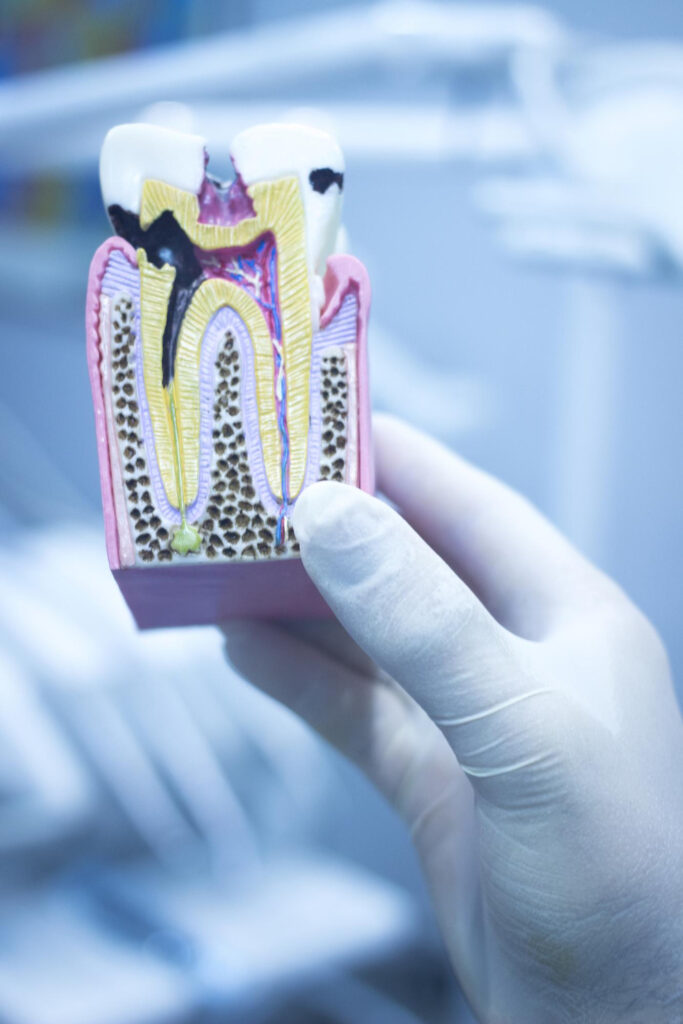
A wisdom tooth extraction involves removing one or more third molars located at the back of the mouth. In many cases, these teeth remain partially or completely trapped beneath the gums (impacted), requiring a surgical approach.
Depending on the position and root formation, the dentist may perform:
Simple extraction: for erupted teeth.
Surgical extraction: for partially or fully impacted teeth.
During surgery, local anesthesia or sedation is administered. A small incision is made, bone may be gently removed to expose the tooth, and the tooth might be sectioned for easier removal. The area is then cleaned, and sutures are placed if necessary.
Advantages:
Eliminates pain and infection risk
Prevents damage to adjacent teeth
Restores proper oral hygiene and bite alignment
Quick healing with modern microsurgical techniques
Personalized Treatment Plans
Every procedure is tailored to your unique goals and skin type, ensuring the best and most natural-looking results.
Expert Medical Team
Certified specialists use advanced medical aesthetics techniques to deliver safe, effective, comfortable experiences.
Cutting-Edge Technology
We utilize the latest FDA-approved devices and products to achieve visible improvements with minimal downtime.
Long-Lasting Confidence
Our treatments don’t just enhance your appearance they boost your confidence and help you feel your best every day.
Procedure Stages
Examination & X-ray: Evaluation of tooth position using panoramic or 3D imaging.
Anesthesia: Local or general anesthesia depending on complexity.
Incision & Exposure: Gum tissue opened to access the tooth.
Tooth Sectioning (if needed): Large or curved roots divided for safe removal.
“When we talk about aesthetic surgery, I would describe it as life-changing. The reason for this is that getting rid of the problems with your physical appearance will not only beautify your appearance but also increase your self-confidence.”